


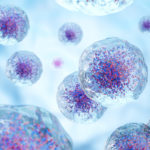
Harnessing fundamental discoveries to correct dysfunction.
watch video
Who We Are
The Department of Cell & Developmental Biology is home to investigators who wish to understand the principles that govern cell organization and function. We are working to clarify the processes involved in cell differentiation and organ formation. We also aim to grow in quantitative and new computational approaches to understand and predict biological outcomes associated with normal development and responding to pathological stresses. We partner with colleagues in multiple departments and institutes to realize the potential of our discoveries and improve human health.

Where We Are Going
Our Department is in the process of acquiring new talent! For the next 7-10 years we will be recruiting 10-12 tenure-track investigators at all ranks (1-2 positions per year). Our vision is to create an intellectually and culturally diverse environment. We are looking to expand our constituency of cell and developmental biologists and to identify investigators in quantitative/computational biology whose interests center on cellular and developmental questions.
Research Areas
Faculty members in our department study a wide range of cell biological processes including adhesion, cytoskeleton, signal transduction, mechanosensing, nuclear architecture, HIV infection and Alzheimer’s disease. We use multiple model organisms and disease platforms to more appropriately address fundamental questions related to cell structure and function.
If you wish to receive reminders and information about our seminars and events, we invite you to join the CDB listserv.


Connect with Us
Our department is supported by the Basic Science Administration group. The team provides assistance related to research and financial administration, professional affairs, facilities and communications.

Starzl Academy

Physician-Scientist Training & Research
We offer a wide range of resources, mentorship opportunities and formal training programs to help our residents and fellows excel as physician-scientists. Explore all of the resources and hear from housestaff who are making research a major part of their career development plans.
Be a part of our future discoveries and training through a generous donation.Contribute today